- Home
- Ingredients
- Berberine
Berberine In GlycoAid
The plant alkaloid at the centre of the formula, studied for how cells take glucose in.
Where Berberine Comes From
Berberine is a bright yellow alkaloid, not a plant. It is extracted from the roots and bark of several unrelated species — goldenseal in North America, barberry across Europe and western Asia, and the Chinese herb huang lian, which has been in the pharmacopoeia there for well over a thousand years. The yellow is real and it is strong enough that berberine was used as a textile dye before anyone measured what it did in a body.
What Berberine Is Doing In GlycoAid
Berberine is the ingredient most people are actually looking for when they pick up a formula like GlycoAid. It activates an enzyme called AMP-activated protein kinase, usually shortened to AMPK, which sits at the centre of how a cell decides whether to store energy or spend it. Switching AMPK on shifts that decision towards spending, and one of the downstream consequences is that muscle cells take glucose out of the blood more readily.
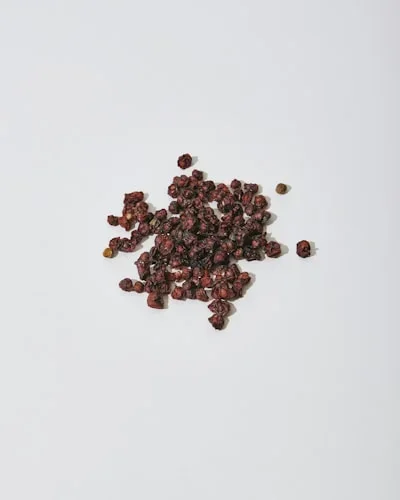
The Research Behind Berberine
This is the best-researched name in the formula and it is not close. There are dozens of human trials, several meta-analyses, and a mechanism that is understood in genuine detail rather than sketched. The trials are mostly small and mostly conducted outside the United States, which is a real limitation, but the direction of the findings is consistent enough that berberine is one of the few botanicals in this category that mainstream reviews treat seriously.
What Dose The Studies Actually Used
Human trials typically use between 900 and 1,500 mg a day, and almost always split across two or three doses, because berberine has a short half-life and a single large dose is hard on the gut. That figure is larger than the entire GlycoAid blend, which is a fact this site states rather than skirts: what a shared 500 mg blend delivers is a fraction of a trial dose. Anyone who specifically wants berberine at a researched amount should buy a single-ingredient berberine product and take it as the trials did.
How this relates to GlycoAid. The fourteen ingredients share one 500 mg blend weight and no individual figure is printed, so what any single name contributes cannot be read off the label. The descending order on the panel is the one real clue, and this site would rather explain that than pretend to a precision it does not have.
Berberine: Cautions Worth Knowing
Berberine is the reason GlycoAid is taken with food. On an empty stomach it commonly causes cramping and loose stools, and that is the single most frequent reason people abandon a berberine-containing product in the first week. It also influences several cytochrome P450 enzymes, which is the system a great many prescriptions are cleared through, so anyone on a narrow therapeutic index medicine should check with a pharmacist. It should be avoided entirely in pregnancy and in newborns.
What Berberine Is Not
Berberine is regularly described online as nature's metformin. It is not, and the comparison does a disservice in both directions. They act on overlapping pathways, but metformin is a prescription medicine with decades of large-scale outcome data behind it and berberine is a supplement ingredient with small trials. Nobody should substitute one for the other, and nobody needs to.
Finding Berberine Outside A Capsule
Berberine is not something you get from food in any meaningful amount. It comes from the roots and bark of specific plants and it has to be extracted. If you are shopping for it on its own, the things to look at are the salt form — berberine HCl is the one almost every trial used — the milligrams per capsule, and whether the serving is split across the day, because the trials all split it and the reason they did is the short half-life.
Questions
Berberine Questions
The ones that come up about this ingredient specifically.
Is the berberine in GlycoAid at a research dose?
No, and this site will not pretend otherwise. Trials use 900 to 1,500 mg daily, which exceeds the entire 500 mg blend. A blend delivers a fraction of that.
Why does berberine upset stomachs?
It acts directly on the gut lining and is poorly absorbed, so a large amount stays where it can cause trouble. Taking it with food is the practical answer and it works for most people.
Does berberine turn things yellow?
It can tint stool yellow, because it is a strong pigment. It is cosmetic and harmless.
Is berberine safe long term?
Most trials run eight to twelve weeks, so the long-term picture is thinner than the short-term one. For extended use, an occasional conversation with your doctor is sensible.
Nearby
Related GlycoAid Ingredients
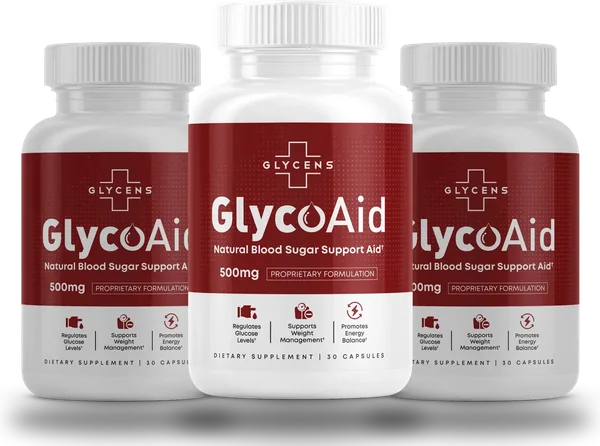
Start Your First Bottle Of GlycoAid
One capsule with a meal, a page here for every name on the label, and two months to send it back if it does nothing for you.
- One capsule a day, taken with food
- Fourteen ingredients, all named on the panel
- Free US delivery on the 3 and 6 bottle packs
- Sixty days to return it, opened bottles included