Question One: Do They Raise Glucose?
Non-nutritive sweeteners — sucralose, aspartame, steviol glycosides, monk fruit, saccharin — contain no meaningful carbohydrate and do not raise blood glucose directly. That part is not seriously disputed, and it is why they are used in the first place.
Sugar alcohols are a partial exception. Erythritol is almost entirely absorbed and excreted unchanged; xylitol and maltitol contribute a modest amount, and maltitol enough that it turns up in glycaemic index tables.
Question Two: Do They Keep The Craving Going?
This is where the argument lives, and it is genuinely unsettled.
The case that they help
Substituting a sweetened drink for a sugared one removes a real and repeated glucose load. For someone drinking several sugared soft drinks a day, that substitution is not controversial, and randomised trials of substitution generally show benefit.
The case that they do not
The argument is about taste preference rather than glucose. Sweetness is a learned expectation, and something that keeps the expectation supplied may keep the preference alive, making unsweetened food taste flatter than it otherwise would. There is also active research on effects on the gut microbiome, which is interesting and not yet conclusive.
The distinction worth carrying. A sweetener can be metabolically neutral and behaviourally unhelpful at the same time. Those two statements are not in conflict, and most arguments about this topic are two people each defending one of them.
A Reasonable Position
- As a substitution for sugared drinks, sweeteners are a clear improvement.
- As a permanent state, they may keep a sweet preference in place that would otherwise fade.
- Taste adapts. Most people who reduce sweetness across the board find that fruit tastes considerably sweeter within a few weeks.
- Nothing here is an argument for going back to sugar.
The Ingredient That Makes This Concrete
There is one ingredient in GlycoAid that turns this abstract argument into something you can demonstrate on yourself in a minute. Gymnema Sylvestre temporarily blocks the sweet receptors on the tongue. For an hour afterwards, sugar registers as texture and nothing else.
People who try it usually describe the same thing: not that sweet food becomes unappealing, but that it becomes obvious how much of the appeal was the sweetness rather than the food. That is the clearest available demonstration that a preference is a learned response rather than a fixed fact about you.
Worth noting that a swallowed capsule bypasses the tongue, so the effect described above needs the loose powder or a chewable form. The capsule delivers the systemic side of the ingredient instead.
What To Actually Do
If you drink sugared soft drinks daily, switching is a straightforward win. If you have already switched and want the preference itself to fade, reducing sweetness across the board for a month is the experiment — and it is a month, not a week, because taste receptors adapt slowly.
Questions
Questions On This Article
Do artificial sweeteners raise blood sugar?
Non-nutritive sweeteners do not raise blood glucose directly. Some sugar alcohols, maltitol in particular, contribute a modest amount.
Are sweeteners better than sugar?
For substitution in sugared drinks, the evidence supports it. Whether they help long term with the underlying preference for sweetness is much less settled.
Is erythritol different?
It is largely absorbed and excreted unchanged, so it contributes very little. It can cause digestive symptoms in larger amounts.
Can I retrain my sweet tooth?
Taste preference does adapt when overall sweetness comes down, and most people report fruit tasting considerably sweeter after a few weeks.
Next
More From The Journal
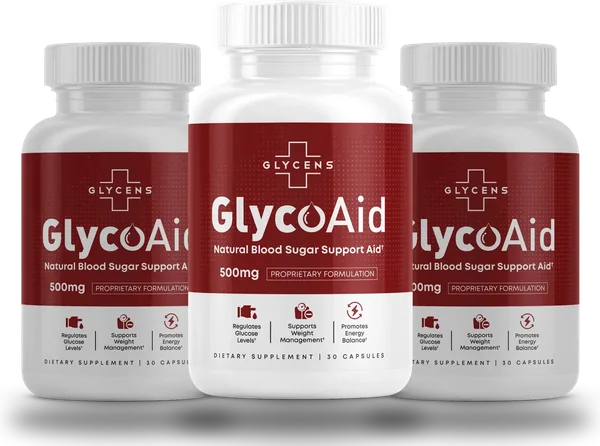
Start Your First Bottle Of GlycoAid
One capsule with a meal, a page here for every name on the label, and two months to send it back if it does nothing for you.
- One capsule a day, taken with food
- Fourteen ingredients, all named on the panel
- Free US delivery on the 3 and 6 bottle packs
- Sixty days to return it, opened bottles included